
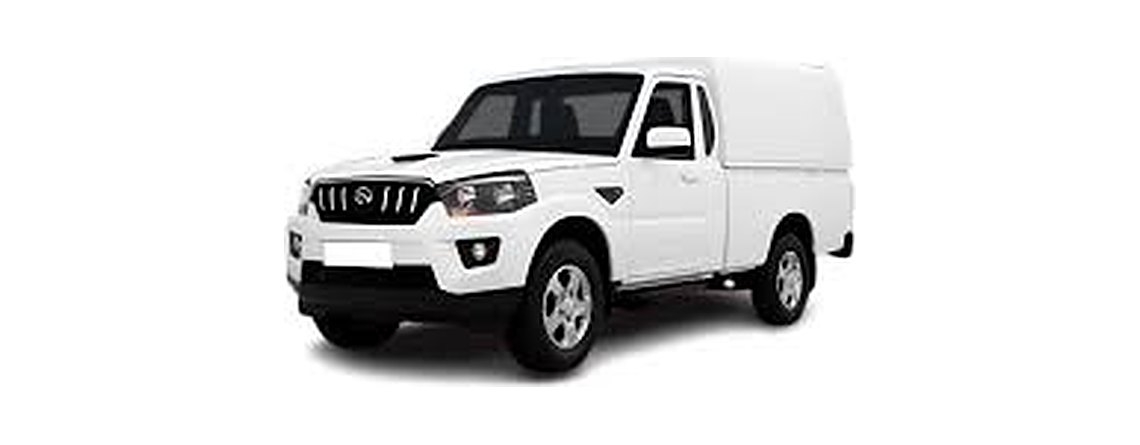
Drive through Benoni, Durban, Cape Town, Springs, Boksburg or Pretoria and you will see it. The small yard that used to sell cash-only bakkies now has a big banner: Rent-to-Buy, No Credit Check, Drive Today.
It is not a coincidence. It is a survival move.
For years, small independent dealers lived on a simple model: buy a clean used car at auction, mark it up, and sell it for cash or through a bank. That model is breaking. According to the National Automobile Dealers' Association, smaller dealers are under severe pressure from margin squeeze, low foot traffic and high overheads. Buyers no longer walk in. They research online, they know the price, and if the bank says no, they walk away.
Rent-to-buy fixes that problem for the dealer. Instead of losing the sale, the dealer keeps the car, keeps the customer and keeps the monthly income.
How Rent-to-Buy Works
The customer does not buy the car on day one. They rent it on a fixed contract, usually 36 to 60 months, with a weekly or monthly debit order. The dealer, or a rent-to-buy partner, keeps legal ownership until the end of the term. Then the customer can buy it out, often for a small fee or a decreasing buyout price.
The Pros for Dealerships
1. It opens a huge new market
Millions of South Africans are self-employed, work on contract, are under debt review or have been blacklisted. Banks will not touch them — but they still earn R17,000 or more a month, and they still need a car to get to work. Rent-to-buy assesses affordability based on current income, not past credit history.
2. It creates predictable cash flow
A once-off sale gives you one profit. A rent-to-buy deal gives you 48 months of payments, plus tracker, insurance and service income. In a month when no one walks in, those debit orders still run.
3. It lowers stock risk
In a normal sale, the car is gone. In rent-to-buy, if the customer defaults, the dealer can repossess and rent it out again. The asset stays in the business.
The Cons for Dealers Who Jump In Without a System
Rent-to-buy is not just selling cars — it is running a finance book. You need to vet affordability properly, install trackers, manage insurance, chase missed payments, and handle repossessions legally under the National Credit Act. Many small dealers don't have that back office. One bad month of defaults can wipe out a year of profit.
There is also reputation risk. If your contract isn't transparent about total cost, late fees and who pays for maintenance, customers will call you a scam on Facebook and TikTok. In a small town like Benoni, that kills you faster than a slow month.
The Dealers Who Will Win
The winners won't be the ones with the biggest banners. They'll be the ones who treat rent-to-buy like a real finance business — with clear contracts, proper affordability checks and cars that are actually roadworthy. The rest are just renting out problems.
Looking for a rent-to-buy provider with a company-owned fleet, an in-house workshop and transparent, all-inclusive contracts? That's what Rent To Buy A Car is built on.
Browse our cars and bakkies. Apply now, WhatsApp us on 082 714 7154 or email sales@renttobuyacar.co.za.
Read next: Rent-to-buy cars: a lifeline for buyers, or a debt trap in disguise?
Frequently asked questions
Why are small dealerships offering rent-to-buy?
Because buyers who are declined by the bank walk away. Rent-to-buy lets the dealer keep the car, keep the customer and earn monthly income instead of losing the sale.
How does a rent-to-buy contract work?
The customer rents the car on a fixed contract, usually 36 to 60 months, while the provider keeps legal ownership. At the end of the term, the customer can buy the car out.
What are the risks for dealers?
Rent-to-buy means running a finance book: vetting affordability, trackers, insurance, collections and legal repossessions. Without a proper back office, defaults can wipe out profits.